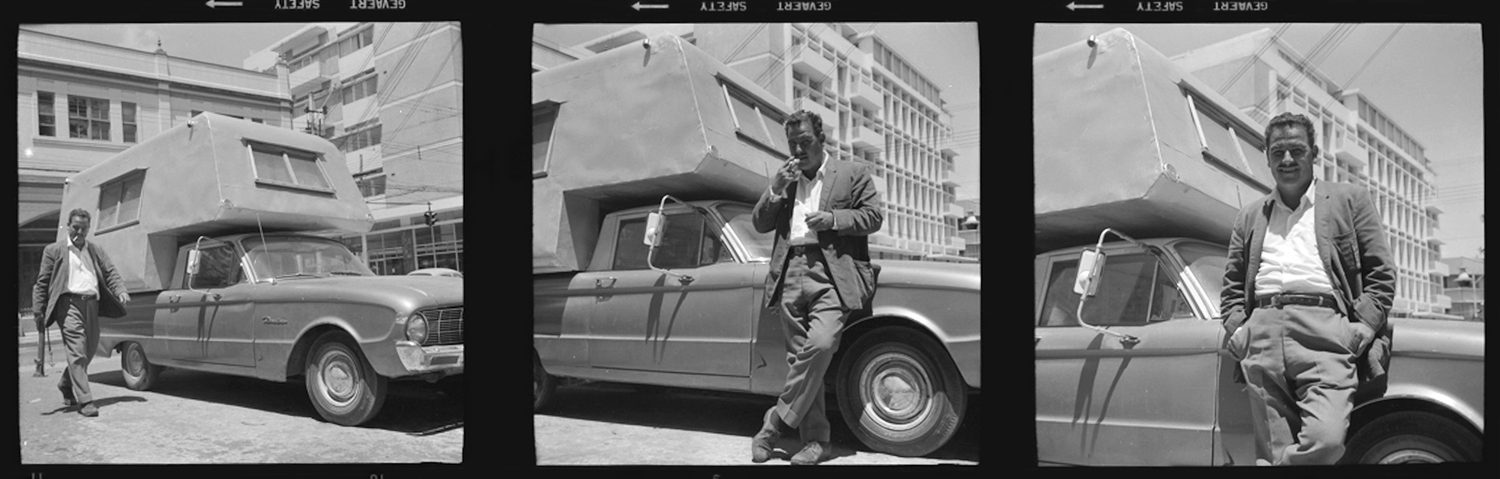
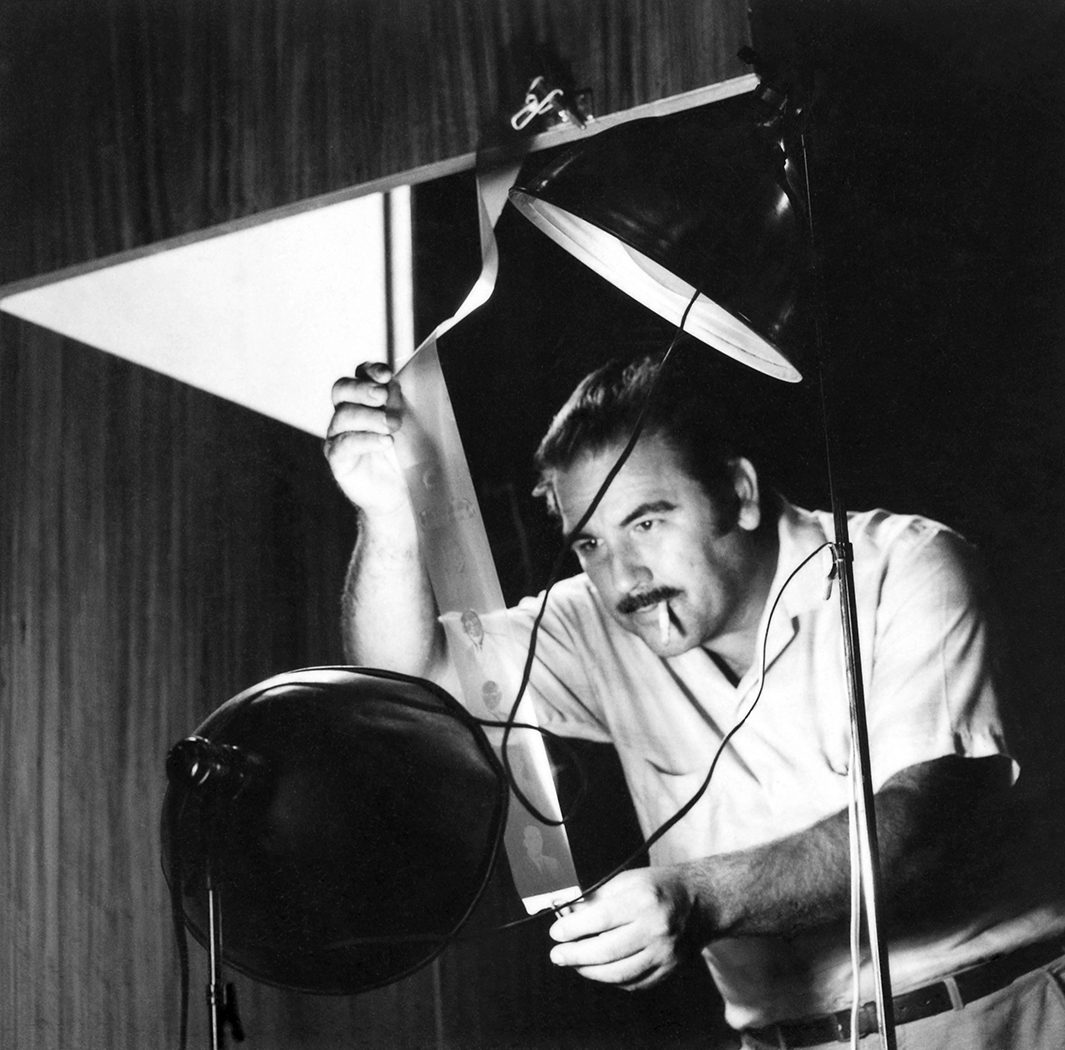
Francisco Coto
Alajuela, 1924 – San José, 2024
"Everything I see around me deserves to be recorded. To photograph is to preserve—through art—that which one day might cease to exist."
For Francisco Coto, photography was more than a profession: it was a way of understanding the world. He photographed everything and almost everyone. Guided by a boundless curiosity and a skill honed through experience, he spent more than six decades observing and documenting Costa Rica. From this journey emerged a body of work in which a singular vision coexists with a profound awareness of his time.
Before becoming a photographer, Coto worked as a film projectionist, and perhaps it was from moving images that he developed his attention to light, rhythm, and framing. His relationship with photography began in the 1940s, in a country just entering a period of rapid transformation.
In 1947, he founded Foto Coto and, two decades later, Foto Coto Aranjuez, studios that became touchstones in portraiture across generations of Costa Ricans. Alongside his commercial photography, he developed an extensive personal practice that took him, camera in hand, from city streets to the rural world, from factories to remote coastlines and mountains, from popular celebrations to erupting volcanoes.
This diversity of subjects is one of the defining qualities of his work. Coto could turn his attention to a major historical event or a seemingly insignificant gesture, to ancient architecture while traveling through Central America or to a chance encounter with a rural couple. He found monumentality in the ordinary and brought a particular dignity to both the people and the places he photographed. Precise framing, carefully structured compositions, and a constant pursuit of light define a photographic style rich in subtlety: rather than relying on stark contrasts, his images give particular importance to midtones and the spaces in between.
This sensibility extends to the landscape. Coto did not limit himself to depicting Costa Rica's iconic sites; he explored lesser-known territories and found in nature unexpected forms, textures, and situations that at times approach abstraction. Landscape is not simply what stood before his camera: it is also shaped by his way of seeing, a means of interpreting a territory in transformation over time.
Intimate and universal at once, Coto's legacy, preserved in an archive of hundreds of thousands of negatives, has been described as one of the most significant visual testimonies of Latin American life in the second half of the twentieth century (Elizabeth Ferrer). Francisco Coto's photographs also reveal a voice deeply attuned to human experience. His ability to find meaning in the everyday and transform observation into a photographic language places his work beyond the boundaries of his time and country.
Timeline
Visual timeline coming soon.